Why Rural Japan is Winning Over the Patient Traveler
Learn how mindful travel is reviving rural Japanese villages through traditional crafts and long-term stays in the countryside.
By Nora Kessler · Aug 17, 2026 · 4 minute read
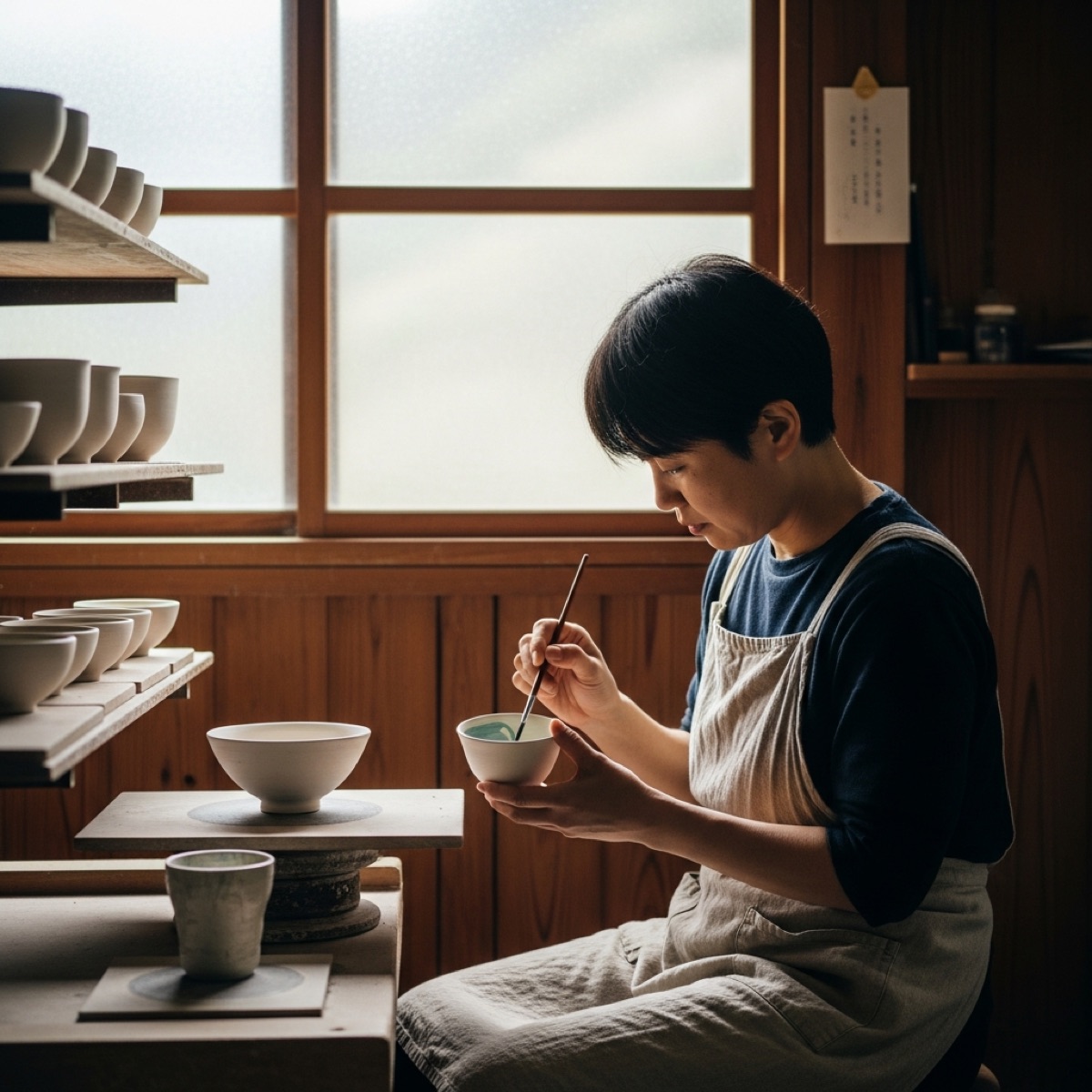
You know that feeling when you get home from a trip and feel like you need another holiday just to recover? We’ve all been there. You rush from one famous temple to the next, snapping photos and ticking boxes, but by the end of the week, it all starts to blur together. Lately, a different kind of traveler is heading to Japan. They aren't staying in the bright, neon-heavy parts of Tokyo. Instead, they are heading into the hills of Okayama and the coastal towns of Ishikawa to find something that doesn't fit on a postcard.
This shift is part of a movement called slow travel. It is about staying in one place long enough to learn the name of the person who makes your morning tea. It is about choosing a single craft, like pottery or paper making, and spending a week trying to get it right. In places like Bizen, famous for its unglazed stoneware, visitors are now booking stays that last for weeks. They aren't just looking at the pots; they are helping to stoke the kilns and learning why the local clay feels the way it does. It’s a bit like learning to breathe again, away from the constant noise of the city.
At a glance
If you are wondering how this differs from a standard tour, here are the basics of what is happening on the ground in rural Japan right now.
- Longer Stays:Instead of two nights, travelers stay for seven to ten days in a single village.
- Craft Integration:Visitors spend their afternoons in workshops, working alongside masters of traditional arts.
- Economic Shift:Small family businesses are seeing more direct support as travelers buy from them rather than souvenir shops in big cities.
- Deep Culture:Travelers learn the specific social rules of the region, from how to bow in a workshop to the right way to accept a gift.
The rhythm of the kiln
In Bizen, the pottery isn't painted. Its color comes from the fire and the ash in the kiln. This process takes time. You can’t rush a wood-fired kiln any more than you can rush the seasons. Travelers who come here are often looking for that exact lesson. They sit in workshops where the air smells of wet earth and woodsmoke. They learn that a single piece of pottery might take days to fire and weeks to cool.
This kind of travel changes how you look at the world. When you spend three days trying to shape a simple bowl, you start to see the skill in everything around you. You stop seeing a cup as just a tool and start seeing it as hours of someone’s life. It makes you slow down your own movements, too. Have you ever noticed how much faster you walk when you are in a crowded mall compared to a quiet forest? That’s what happens to your brain when you stay in these craft villages. Your heart rate drops, and your focus sharpens.
Social rules and quiet respect
One thing beginners often worry about is doing the wrong thing. Japanese culture is famous for its manners, and in a small village, those rules matter. But here is a secret: locals don't expect you to be perfect. They just expect you to be patient. In a workshop, the most important rule is often silence. You listen to the master, you watch their hands, and you don't interrupt. It’s a wordless way of showing respect.
"The goal isn't to make a perfect pot. The goal is to understand the clay. If you understand the clay, you understand the land it came from."
When it’s time for a break, there is usually a tea ceremony. This isn't the fancy, formal version you see in movies. It’s a simple, everyday ritual. You might sit on a straw mat and drink from a bowl that was made in that very room. The etiquette is simple: hold the bowl with two hands, take small sips, and always say thank you. These small moments are where the real connection happens. You aren't a tourist anymore; you’re a guest.
What the locals think
For a long time, rural towns in Japan were losing their young people to the big cities. These villages were getting older and quieter. But this new wave of mindful travel is bringing life back. The shopkeepers and artists aren't just selling a product; they are sharing their way of life. This keeps the traditions from dying out. When a traveler from halfway across the world wants to learn how to weave a bamboo basket, it reminds the local community that their skills are valuable. It creates a bridge between different worlds that doesn't require a shared language—just shared work.
| Activity | Traditional Tourist Path | The Kiln & Route Way |
|---|---|---|
| Dining | Fast food or hotel buffets | Learning to cook with mountain vegetables |
| Lodging | Large international hotels | Small family-run inns (Ryokan) |
| Souvenirs | Plastic keychains from the airport | A hand-made bowl you helped fire |
| Pace | Five cities in seven days | One village in seven days |
It’s a different way of seeing things. You won't see as many landmarks, but you will remember the smell of the pine trees and the way the morning mist sits over the rice fields. You’ll come home with a story that belongs only to you, and maybe a slightly wobbly bowl that you’re proud of because you know exactly how much work went into it.